
Although it looks fairly straight forward, there is an additional security measure when removing an aircraft style fuel filler cap from a motorcycle petrol tank.
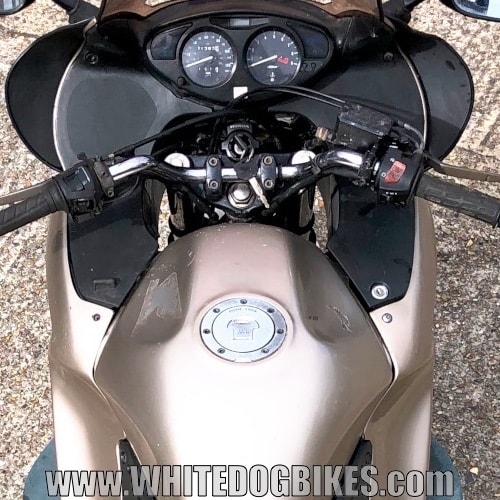
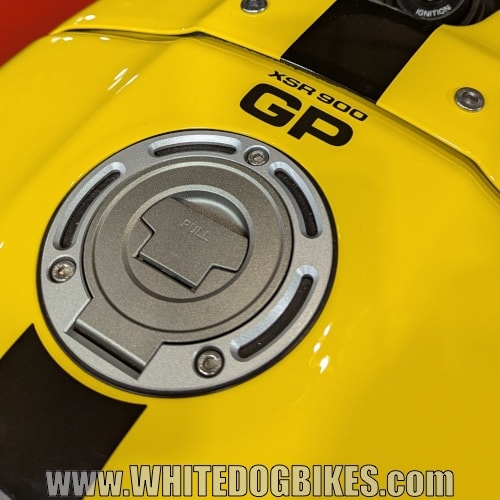
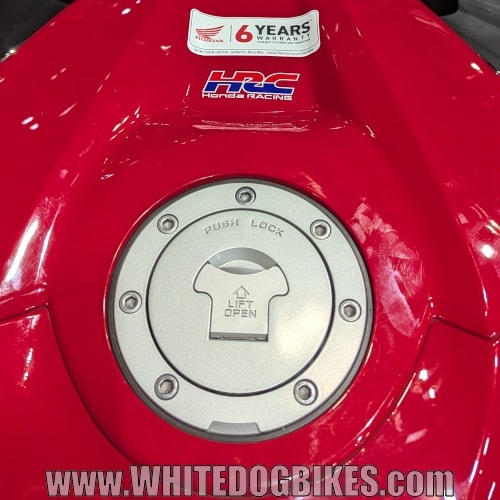
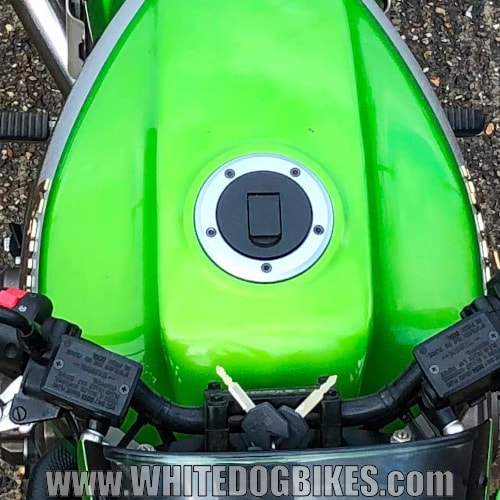
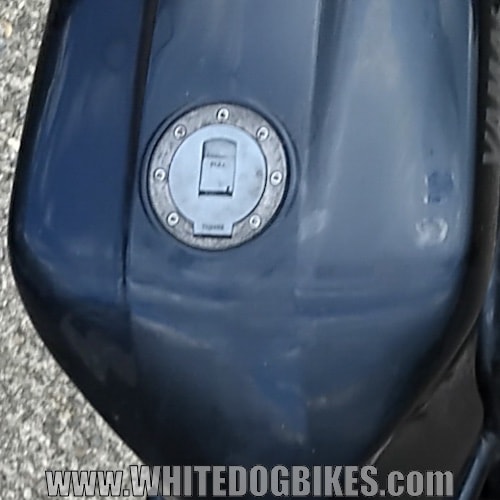
Aircraft style petrol filler caps on various motorbike tanks including a Honda 650 Deauville, Yamaha XSR900, Kawasaki ZRX1200 and Yamaha 600 Fazer
The filler caps often have between 3 and 7 allen key bolts visible on the outside when the cap is closed, but there is also a small allen key bolt under the locked fuel tank flap which needs to be removed the allow the cap to be removed.
The bolt underneath the filler flap can only be removed when the flap is in the open position, this is so the cap cannot be removed without unlocking the flap 1st (without this anyone with the right sized allen key could steal the cap and/or the fuel).
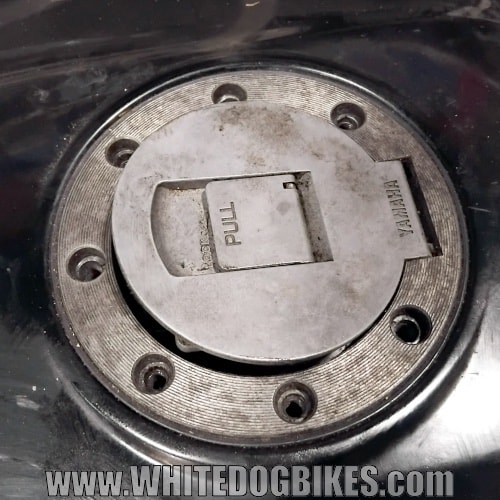
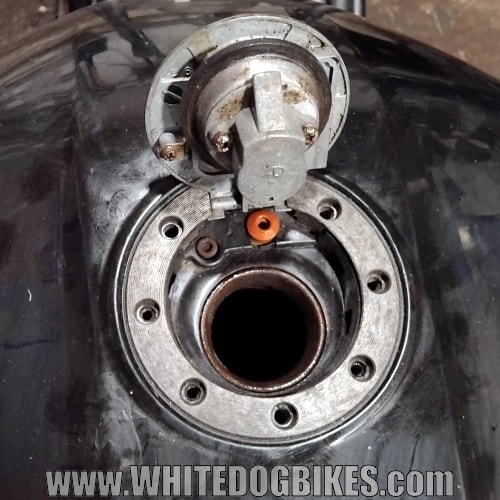
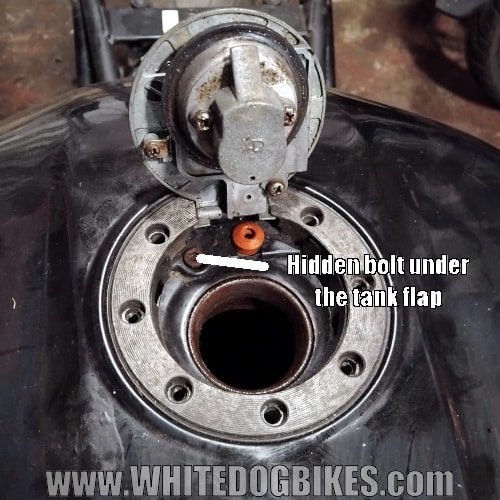
A few images showing the location of the allen bolt under the filler cap lockable flap
A bit of history…
The design is structurally identical to the flush fitting gravity fuel caps used on American WWII combat aircraft (such as the P-51 Mustang). In aviation, a standard twist off cap causes aerodynamic drag and could easily be ripped off by high speed airflow or extreme G-forces.
The military needed a cap that sat perfectly flush with the plane’s aluminum skin and locked mechanically via a heavy duty flip up lever.
North American Aviation’s elite engineering department developed the fuel filler to reduce drag when the P51 Mustang was being flown at high speed.
How the cap came to be used on motorcycles…
In the late 1970s, a small British company called Newton Equipment was making custom aluminum fuel tanks for race and road bikes.
They constantly struggled to source high-quality, secure filler caps that matched their sleek tank designs.
Frustrated, they decided to adapt the WWII aviation flip lever design for motorcycles, creating the iconic Aero cap range.
Motorcycle manufacturers like Ducati started to use the filler caps because they kept the tank profile smooth, didn’t snag the rider’s leathers when tucked in and reduced the risk of fuel spilling out during a high speed track crash.
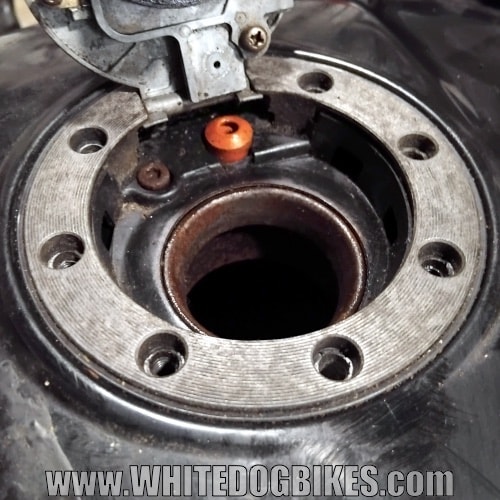
Close up of the petrol filler cap with the flap in the open position
The design was so visually striking and functionally perfect that the automotive world stole it back from motorcycles. The Ferrari F40 famously used visible aircraft-style aero caps, which quickly turned them into a universal symbol of high end exotic performance.
They later appeared on the McLaren F1 and Jaguar XJ220.
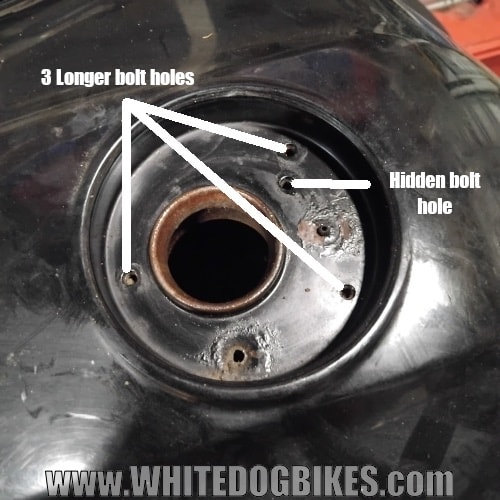
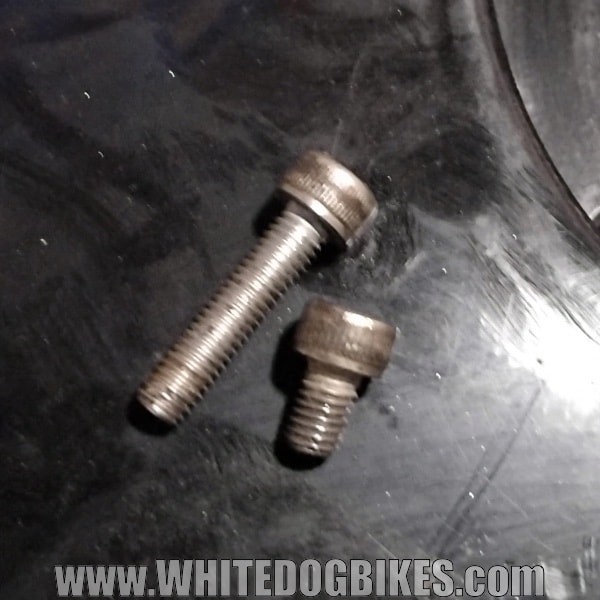
The bolt holes in the tank for the longer allen bolts and the difference in size between the longer and shorter allen bolts
Normally, on the outer ring of the filler cap, a few of the bolts are longer then the others and are used to secure the cap to the tank, the shorter bolts are just there for decoration.
Most aircraft style caps use a key retaining cylinder.
The lock mechanism is designed so that you physically cannot pull your ignition key out of the lock while the cap flap is open.
This forces the rider to fully snap and lock the cap back down before they can get their key back and start the bike (also you won’t be able to accidentally leave the flap open so someone could access the internal bolt).
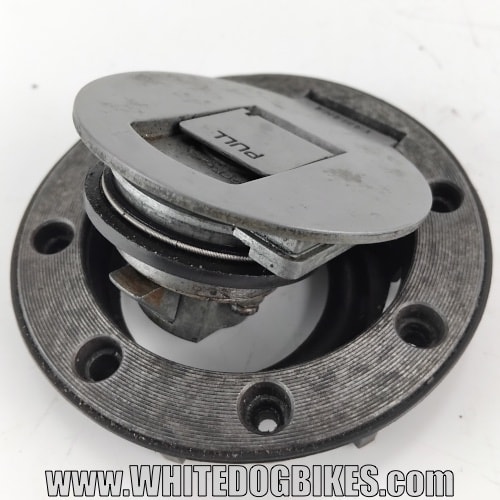
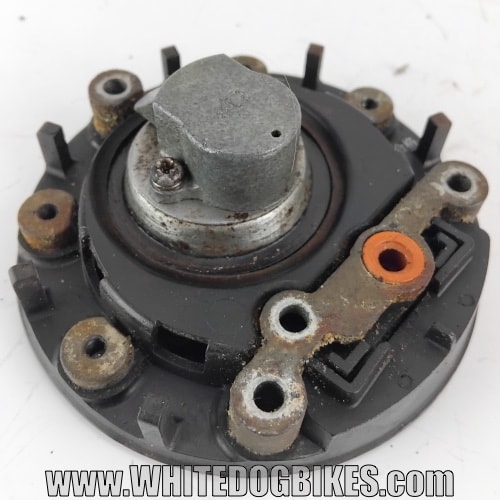
Top and bottom views of the tank cap showing the lock, internal bolt hole and some of the venting
True aircraft filler caps are completely sealed and unvented because planes fly at high altitudes where low atmospheric pressure would cause fuel to boil off or leak.
However, a motorcycle tank must vent to prevent a vacuum lock (which starves the engine of fuel as it empties). Because of this, motorcycle manufacturers had to secretly re-engineer the housings with intricate, internal labyrinth vents and rubber check-valves hidden completely out of sight beneath the cap.
With GREAT difficulty! There are several ways the cap can be removed without the key:
- Lock picking – Most older motorcycle fuel caps use relatively simple wafer locks (unlike the high-security chipped ignition keys on modern bikes). A locksmith, or anyone handy with a basic lock picking set can usually pick a fuel cap open.
- Key code – If you have the ignition barrel off the bike, there is often a 3 to 5 digit key code stamped onto the base of the ignition housing. A locksmith can use this code to cut a new working key on a blank without needing the original.
- Slide hammer / dent puller – Some mechanics will run a heavy duty self-tapping screw directly down into the key slot, attach a slide hammer to the screw, and yank the entire lock cylinder straight out of the housing. This shears the internal locking tabs and lets you turn the mechanism with a flathead screwdriver to open the flap and reach your hidden bolt.
WARNING! Most fuel tanks are made from quite thin metal that is very easy to dent using this method.
- Drilling – Use a sharp, high-quality drill bit (starting small and gradually increasing the size) and drill directly down the center of the key hole. The goal is to drill deep enough to destroy the brass wafers inside the tumbler that are preventing it from turning.
Once the wafers are drilled out, stick a large flathead screwdriver into the slot and twist hard to force the latch open.SAFETY WARNING! SAFETY WARNING! SAFETY WARNING!
If you are attempting to drill a fuel cap, the tank must be completely drained, removed from the bike and thoroughly washed out before you drill. Simply closing the tank flap isn’t enough.
The friction of drilling creates heat and sparks and a tank full of petrol fumes is essentially a bomb waiting to go off.
Petrol fumes can still be present and ignite even if the fuel has been removed from the tank (take this warning from someone who once lost an eyebrow when a tank ignited!).
Keep up to date by joining us on our social media pages:


Disclaimer: The information on this page is correct to the best of our knowledge. But the info should NOT be taken as 100% accurate as we can, occasionally make mistakes!
Leave a Reply