
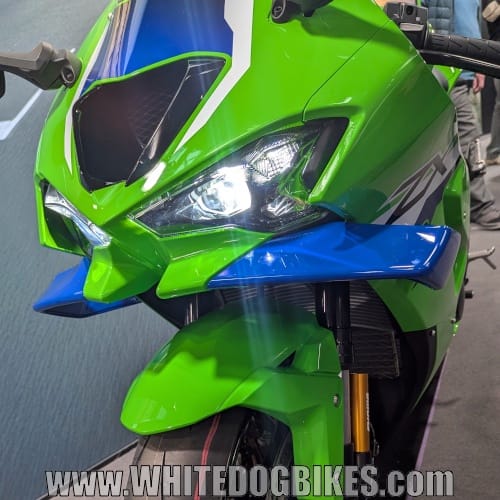
Well, there everywhere now, on the race track, on track days and even on the road, but (imho) front aerofoils on a motorcycle look absolutely terrible!
I understand the purpose of them, but really, going to the shops or to work, do you really need the downforce of a MotoGP bike (and they also look awful on race bikes).
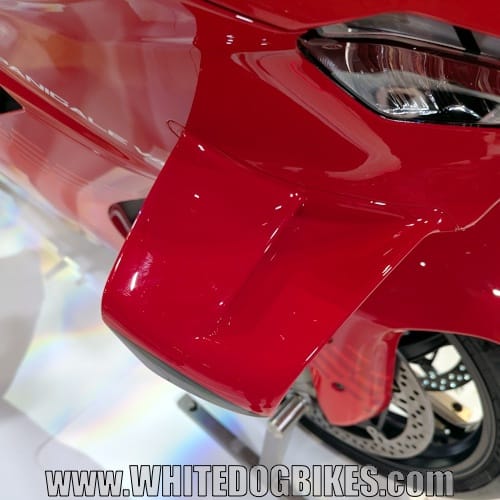
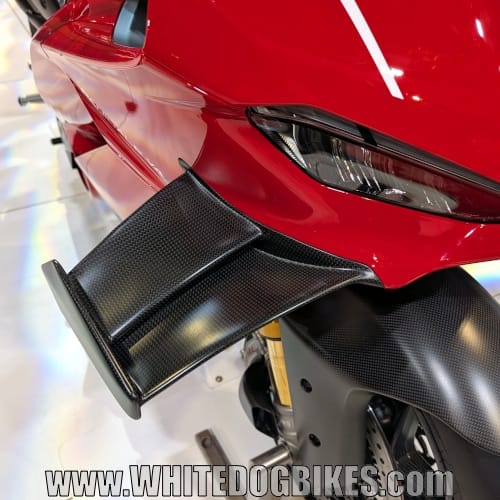
Front aerofoils on Ducati and BMW bikes
Front aerofoils (more commonly called winglets) are used to generate downforce that pushes the front of the bike toward the ground.
How do they work?
As a motorcycle moves forward, air hits the angled surface of the aerofoil. This creates a pressure differential (similar to the way an airplanes wing works) that creates higher pressure above the aerofoil and lower pressure below the aerofoil, the higher pressure above pushes the front of the motorcycle towards the ground.
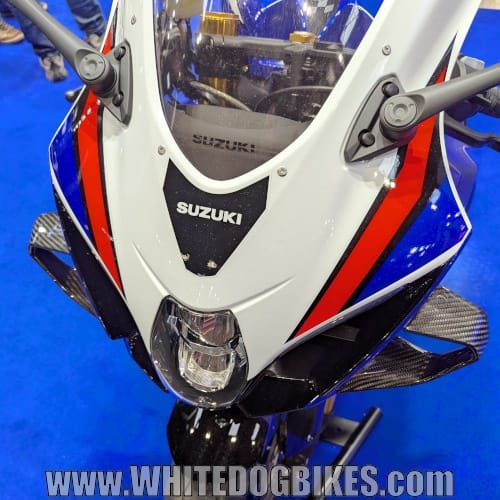
Suzuki GSXR with aerofoils, although these were only loosely stuck on (it was at a bike show) and wouldn’t be much use on a track as they’d fly off!
What are the benefits of a front aerofoil?- Helping reduce wheelies – When accelerating hard the front wheel wants to lift. The downforce from the winglets helps keep the front tyre in contact with the tarmac, allowing the rider to apply more throttle without the electronics (traction control/anti-wheelie etc) having to cut power.
- Increased Stability – At high speeds motorcycles can become light at the front end, leading to wobbles or instability. Aerofoils act like stabilizers to keep the front of the bike planted more firmly on the ground.
- Improved Front-End Grip – By pushing the tyre into the ground, aerofoils provide more mechanical grip during high-speed cornering, giving the rider more feedback and confidence in the front end.
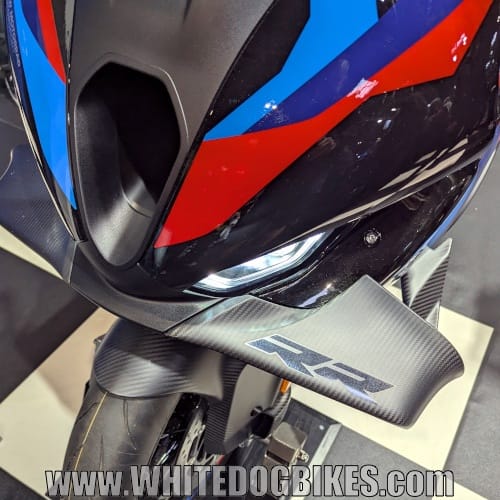
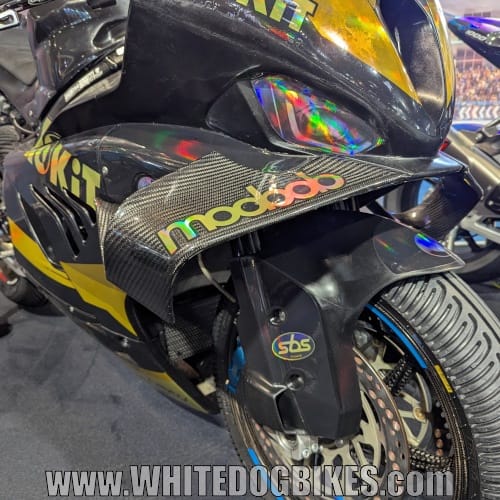
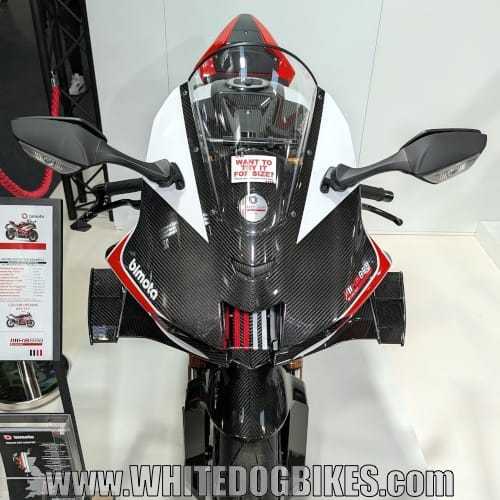
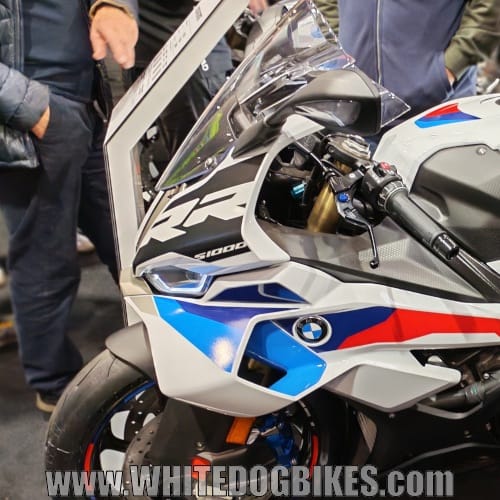
BMW S1000RR, Moobob race bike and Bimota aerofoils
What are the drawbacks of front aerofoils?- More drag – More downforce usually means more aerodynamic drag, which can slightly lower top-end speed on long straights.
- Loss of agility – At very high speeds, the extra pressure on the front end can make the bike feel heavier or more resistant to quick changes (flicking the bike from left to right etc).
- Dirty Air – Just like in F1 racing, winglets create turbulent air behind the bike, which can make it harder for a following rider to stay close in a slipstream.
Although Ducati are often credited with starting the modern winglet trend, the 1st manufacturer to use them (long before the current MotoGP craze) was MV Agusta on Phil Read’s 500cc GP bike (500/4) at the 1972 Dutch TT at Assen.
In 1978 Mike Hailwood’s Suzuki RG500 had front wings.
The 1st road bike to use them was the 2000 Kawasaki ZX-12R Ninja to help keep the front wheel planted at higher speeds.
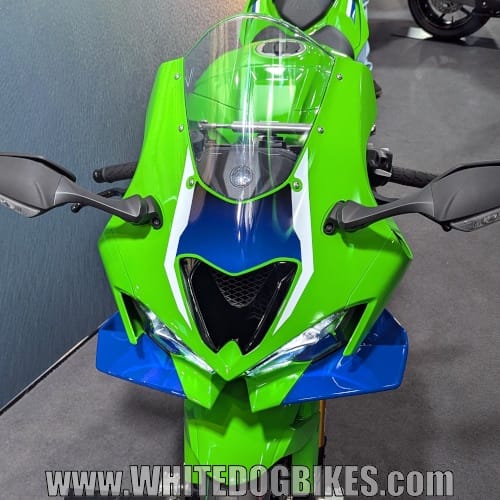

Kawasaki Ninja and Honda CBR600RR with winglets
There is alot of useful tech to come from race bikes (traction control, tyre technology, inflating riders gear etc) but, apart from looking like someones stuck a duck to the front of the bike, do people really need them while waiting at traffic lights or commuting?
An interesting good/bad side effect of winglets is they create lateral force, which can actually help pull the bike into the corner giving more side-grip and a tighter turn (the good), although it makes the bike harder to flick quickly from side to side when doing quick left/right corners (the bad).
There have been some safety concerns regarding front aerofoils. 2 Of the main issues that arose are:
- The ‘large dog’ effect – At high speeds (around 180mph) modern winglets can generate between 35kg and 50kg (approx. 80–110 lbs) of downforce. To put that in perspective, riding a bike with winglets at that speed feels like having a large golden retriever sitting on your front mudguard pinning it to the ground.
- They Act as ‘Knives’ – In 2017, MotoGP actually banned protruding winglets for safety reasons. Riders like Dani Pedrosa called them ‘knives’, fearing they could slice through leathers or hook onto other bikes during a close-quarter ‘paint exchanging’ type racing and collisions.
- The Solution – Engineers didn’t give up, they moved the wings inside the fairing or looped them back into the bodywork, leading to the boxed or integrated wing designs you see on superbikes today.
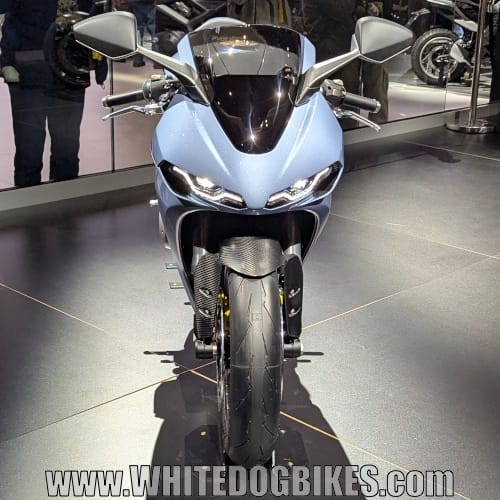

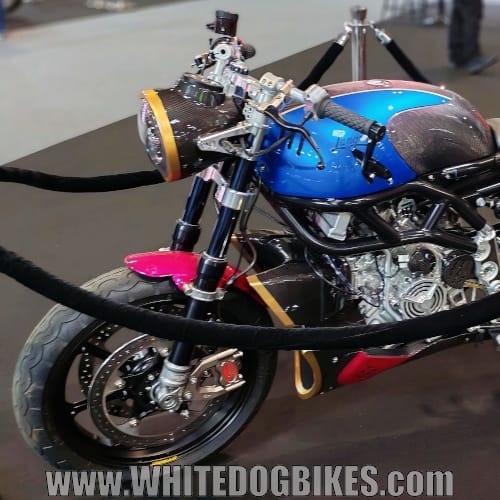
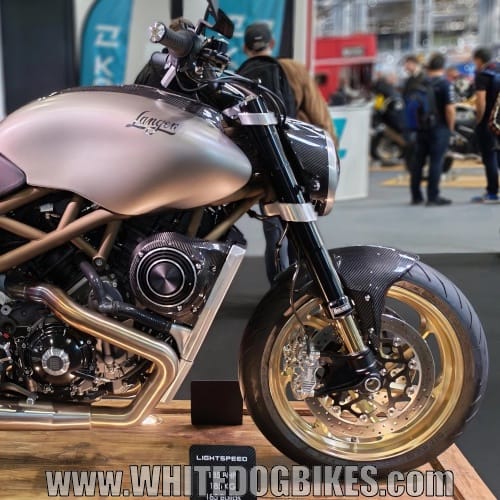
Bikes from Norton, Ducati and Langen (including the 200mph Langen Lightspeed) showing you don’t need stupid sized winglets to look good
Summary – Yes, although (in my opinion) they ruin the looks of a bike, they are very good for race and track bikes. As for road bikes, well, there mainly just for show and don’t serve any practicle purpose. Still, if you like the look of them, go for it, each to their own and all that!
Keep up to date by joining us on our social media pages:


Disclaimer: The information on this page is correct to the best of our knowledge. But the info should NOT be taken as 100% accurate as we can, occasionally make mistakes!
Leave a Reply